
Eye Health
You rely on your eyes every day.
But few women realize how much hormonal changes can affect vision, eye comfort, and long-term eye health.
You held the menu a little further away.
Then a little further.
Then you asked your husband to read it.
Then you started carrying readers in your purse.
And you thought — when did this start happening?
Your eyes don't get a day off.
Screens in the morning. Screens at work. Screens in the evening.
And through all of it, they're constantly focusing, filtering light, and protecting themselves from everyday oxidative stress.
Most women assume eye changes are just about age. Or screens.
But here's what nobody told you — menopause may be playing a bigger role in your eye health than you realize.
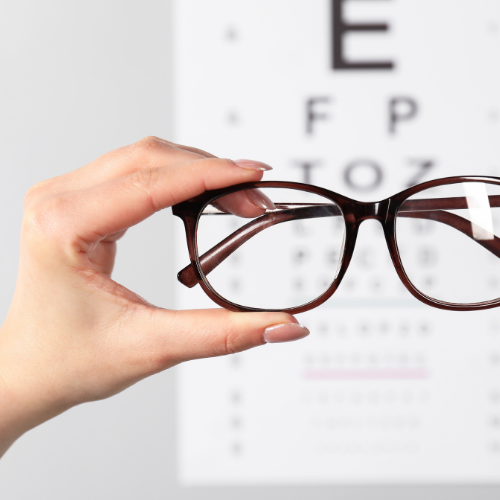
Your eyes are not just windows to the world. They are windows into your health.
Did you know a routine eye exam can sometimes detect early signs of:
High blood pressure
Diabetes or insulin resistance
Thyroid disease
High cholesterol
Autoimmune conditions
Many women skip eye exams because they think "I can still see fine."
But eye exams are about so much more than glasses.
Regular eye exams are one of the most overlooked wellness tools in midlife.
Here's the menopause connection most women never hear.
Estrogen plays a role in tear production. As estrogen declines during perimenopause and menopause, dry eye symptoms become significantly more common.
That tired, scratchy, irritated feeling?
It may not be screen time alone.
It may be your hormones.
At the same time:
• Blood sugar fluctuations can temporarily affect fluid levels in the eye, causing blurry vision.
• Thyroid changes are linked to dry eyes, puffiness around the eyes, and visual discomfort.
• Inflammation and oxidative stress can gradually affect delicate eye tissue over time.
• Night vision changes become more common after 40 as the eyes need more light and adjust more slowly to darkness.
These changes are not random.
They're connected.
And your body has been trying to tell you.
What your eyes actually need.
Your eyes depend on specific nutrients every single day — and many diets run quietly low on them:
🥬 Lutein & Zeaxanthin — help support the macula and act as your eyes' natural filter.
🐟 DHA from Omega-3 — a key structural component of the retina that supports healthy visual function.
🛡️ Selenium — helps protect eye tissue from oxidative stress.
🍊 Vitamin C & Vitamin E — antioxidant protection at the cellular level.
🥕 Beta Carotene — supports healthy vision and eye function.
Food first. Always.
🥬 Leafy greens — kale, spinach, Swiss chard
🐟 Salmon, sardines, mackerel
🫐 Berries
🥕 Carrots and sweet potatoes
🥚 Eggs — one of the most bioavailable sources of lutein and zeaxanthin
As a holistic health coach and recipe developer, I build these ingredients into my recipes naturally.
Because food that loves your eyes back should still taste delicious. 💚
Find out which products best support your eye health:
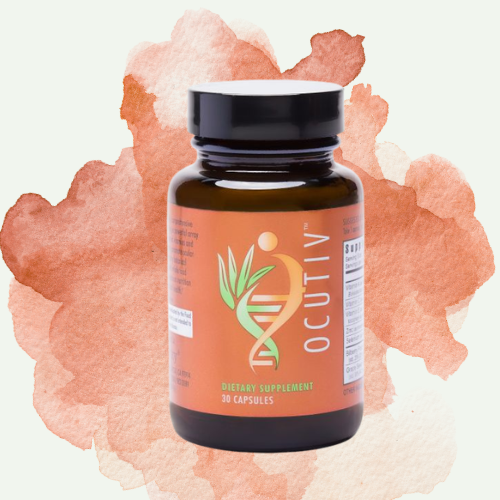
Ocutiv — Eye Health Support utein, zeaxanthin, DHA, and selenium — key nutrients that help support healthy vision and protect your eyes from everyday oxidative stress.
Designed for women who spend hours on screens, want to support long-term eye health, and understand that healthy vision starts long before there's a problem.
Wondering what's really behind the changes in your vision?
The DeCode Your Body Discovery takes 15 minutes — and helps you understand what your body has been signalling.